
What Is Somatic Experiencing?
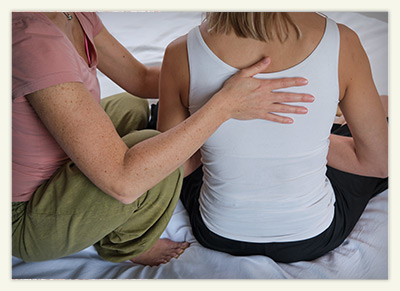
Somatic Experiencing® (SE) is a body-oriented approach to healing trauma and chronic stress developed by Dr. Peter Levine. Rather than focusing primarily on thoughts or memories, Somatic Experiencing helps individuals become aware of the body’s physiological responses to stress and trauma. The goal is not to relive traumatic experiences, but to gently support the nervous system in completing protective responses that may have been interrupted or overwhelmed.
Trauma can affect the body long after a difficult experience has ended, contributing to symptoms such as anxiety, panic, hypervigilance, emotional overwhelm, dissociation, chronic tension, sleep disturbances, and difficulty feeling safe or connected. Somatic Experiencing works with these patterns in a gradual, collaborative way, helping clients develop greater flexibility, resilience, and nervous system regulation.
What Does Somatic Experiencing Look Like?
Sessions emphasize developing awareness of physical sensations, movement, breath, posture, and other subtle nervous system responses. Therapy proceeds slowly and intentionally, helping clients remain within their capacity while gently working with patterns of activation and protection that developed in response to overwhelming experiences.
Rather than encouraging clients to repeatedly revisit traumatic memories, Somatic Experiencing focuses on increasing the nervous system’s ability to tolerate and integrate experience. Many clients find that as their nervous system becomes more regulated, they experience improvements in emotional regulation, physical tension, anxiety, relationships, and overall well-being.
My Approach
I am a Certified Somatic Experiencing® Practitioner (SEP) and integrate Somatic Experiencing principles throughout my psychotherapy practice. My advanced training includes Dave Berger’s work in concussion and PTSD, Eye of the Needle—an advanced Somatic Experiencing® training focused on early developmental and attachment trauma—Kate White’s foundational training in perinatal somatics, and advanced perinatal trauma training with Abi Blakeslee and Kate White.
Rather than using Somatic Experiencing as a stand-alone treatment, I integrate it with EMDR, Relational Gestalt Therapy, Yoga Therapy, attachment-focused psychotherapy, mindfulness, and other evidence-informed approaches. Every treatment plan is individualized based on each client’s history, symptoms, goals, strengths, and nervous system capacity.
Depending on your goals and comfort level, sessions may include seated conversation, mindful awareness of bodily sensations, gentle movement, or other experiential interventions.
In some cases, Somatic Experiencing® table work and therapeutic touch may also be incorporated into treatment. Table work offers another way of attending to the nervous system through direct awareness of sensation, support, boundaries, and patterns of activation and settling that may not always be accessible through verbal processing alone. The intention is not massage or physical manipulation, but to support greater awareness of the body’s responses and expand the capacity to experience sensation, connection, and regulation with greater choice.
Therapeutic touch is used only when clinically appropriate and after thoughtful discussion and explicit consent. It is always collaborative and optional, and clients may change their mind, pause, or stop at any time. All touch-based interventions are tailored to the individual’s needs, history, comfort, and boundaries.
Who Can Benefit?
Somatic Experiencing may be helpful for individuals experiencing:
- Trauma and PTSD
- Complex or developmental trauma
- Dissociation
- Anxiety and panic
- Chronic stress and burnout
- Nervous system dysregulation
- Medical trauma and concussion
- Perinatal trauma
- Difficulty regulating emotions or feeling connected to the body
Beyond Psychotherapy
If you are interested in a body-centered approach outside of psychotherapy, I also offer Yoga Therapy, trauma-informed movement, workshops, and nervous system regulation classes. These offerings provide opportunities to develop greater body awareness, resilience, and self-regulation through movement, breath, and other somatic practices in a non-psychotherapy setting.
Please visit the Yoga Therapy and Classes & Workshops pages to learn more about current offerings.
